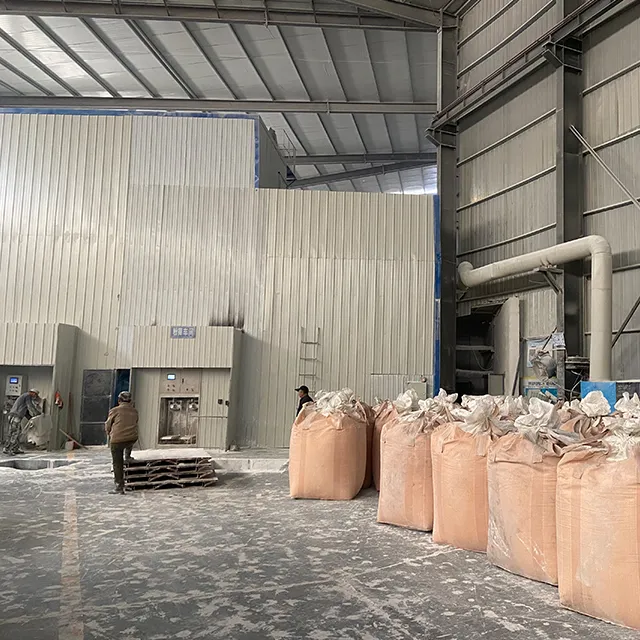
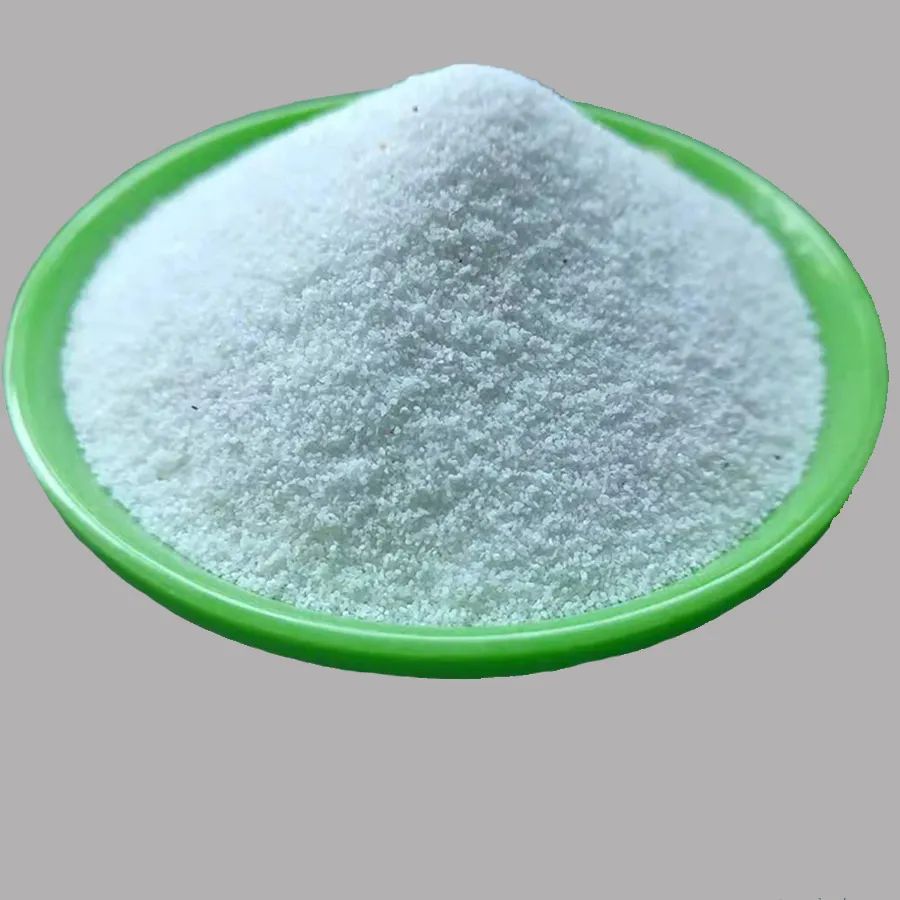
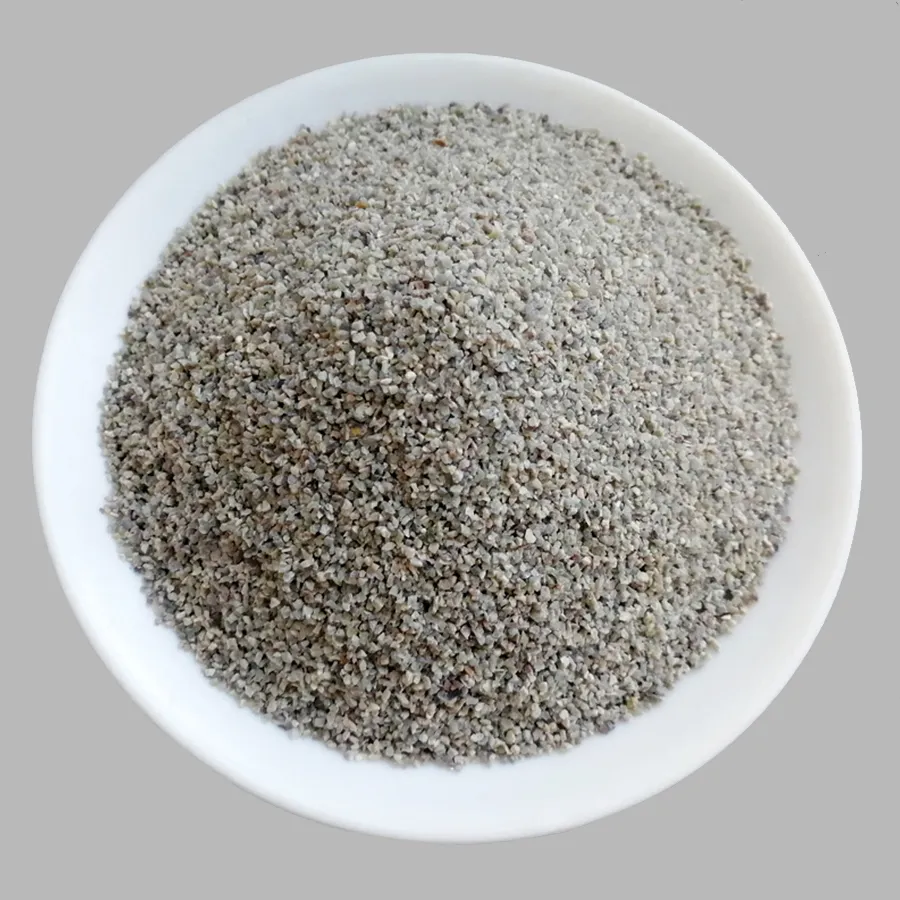
Introduction to Volcanic Mud Technology In the realm of advanced material science and industrial applications, Volcanic Mud represents a critical innovation. Originating from specific geological formations, this high-performance material is engineered through sophisticated processes to deliver superior properties for demanding B2B sectors. Its unique composition and structure enable unparalleled performance in areas requiring exceptional thermal stability, chemical inertness, and mechanical integrity. As industries continually seek more durable, efficient, and environmentally responsible solutions, the strategic application of this specialized mud offers a transformative advantage across diverse operational landscapes. This comprehensive overview delves into its technical specifications, application versatility, and the strategic benefits it provides to industrial stakeholders. Industry Trends and Market Overview The global market for advanced industrial materials is experiencing robust growth, driven by increasing demands for efficiency, sustainability, and high-performance in extreme conditions. Key trends include the shift towards lighter, stronger, and more corrosion-resistant materials, alongside a growing emphasis on materials that support energy conservation and reduced environmental impact. Within this evolving landscape, specialty mineral-derived products like Volcanic Mud are gaining significant traction. Projections indicate a compound annual growth rate (CAGR) exceeding 6% for industrial minerals in applications requiring high thermal resistance and chemical stability over the next five years, fueled by expansion in petrochemical, metallurgy, and advanced manufacturing sectors. The focus on sustainable sourcing and waste reduction further enhances the appeal of naturally derived, yet technologically enhanced, solutions. Industry players are investing heavily in R&D to optimize material properties and explore novel applications. This includes developing advanced composites and tailored formulations that integrate Volcanic Mud for enhanced performance in specific industrial contexts. The demand for materials that can withstand aggressive chemical environments, high temperatures, and abrasive wear is particularly acute, positioning this specialized mud as a frontrunner in material innovation. Manufacturing Process Flow of Volcanic Mud The production of high-grade Volcanic Mud involves a meticulous multi-stage process designed to purify, refine, and activate the raw volcanic material, ensuring consistent quality and optimal performance for industrial applications. Our process adheres strictly to ISO 9001 quality management standards. Key Manufacturing Steps: Raw Material Sourcing & Selection: High-purity volcanic ash and specific mineral clays are sourced from geologically stable regions known for their rich mineral deposits. Material screening ensures absence of deleterious contaminants. Crushing & Grinding: Raw materials undergo multi-stage crushing and fine grinding using ball mills and roller mills to achieve a controlled particle size distribution, typically ranging from 1 to 50 micrometers. This enhances surface area and reactivity. Washing & Purification: The finely ground powder is subjected to multiple washing cycles with deionized water to remove soluble salts, organic impurities, and fine particulate contaminants. Sedimentation and cyclonic separation are employed. Chemical Activation (Optional, Depending on Application): For specialized applications, the material may undergo acid or alkaline activation treatments to modify its surface chemistry, porosity, and ion-exchange capacity. This process is carefully controlled to prevent structural degradation. Drying & Calcination: The purified slurry is dewatered using filter presses, followed by flash drying or rotary drying. Subsequently, calcination in high-temperature kilns (up to 1000°C) alters the mineralogical structure, enhancing thermal stability and mechanical strength. Final Grinding & Sieving: Post-calcination, the material is finely milled again and then sieved through precision screens to ensure the final product meets specific particle size and mesh specifications, typically controlled by laser diffraction analysis. Quality Control & Packaging: Each batch undergoes rigorous testing against ISO and ASTM standards for chemical composition (XRF), physical properties (bulk density, specific gravity), thermal characteristics (TGA, DSC), and mechanical integrity. Packaged in moisture-proof industrial bags or container111s. Technical Specifications and Parameters Our Volcanic Mud is distinguished by its exceptional physical and chemical properties, making it an ideal choice for high-demand industrial environments. Below is a detailed table outlining typical specifications for our standard industrial grade. Typical Product Specifications (Industrial Grade) Parameter Value/Range Testing Standard Primary Composition (SiO2) 70-75% ASTM C114 / ISO 29581 Aluminum Oxide (Al2O3) 12-15% ASTM C114 / ISO 29581 Bulk Density 0.6 - 0.9 g/cm³ ASTM C29 / ISO 697 Specific Gravity 2.3 - 2.5 ASTM D854 / ISO 1183-1 Mohs Hardness 5-7 ASTM C189 Thermal Conductivity 0.15 - 0.25 W/m·K (at 25°C) ASTM C518 / ISO 8301 Melting Point ~1200 - 1400°C Calculated / Refractory Standards pH (10% slurry) 6.5 - 7.5 ASTM D4972 Particle Size (D50) 10 - 20 µm (customizable) ISO 13320 These specifications underscore the material's suitability for applications demanding high-temperature resistance, chemical stability, and robust mechanical performance. The finely controlled particle size distribution allows for superior integration into various matrices, enhancing composite properties and consistency. Application Scenarios and Target Industries The versatility of Volcanic Mud makes it indispensable across a spectrum of demanding industrial sectors, offering solutions where conventional materials fall short. Its inherent properties like corrosion resistance, thermal insulation, and abrasive wear resistance are particularly beneficial. Target Industries: Petrochemical and Chemical Processing: Used in catalytic converters, refractory linings, and as a filler in corrosion-resistant coatings for pipes, vessels, and reactors. Its inertness against aggressive chemicals significantly extends equipment service life. Metallurgy and Foundry: Essential in high-temperature applications such as ladle linings, tundishes, and furnace insulation. It provides exceptional thermal stability and resistance to molten metal attack, enhancing operational safety and efficiency. Water Supply & Drainage: Applied in advanced filtration media and as a component in specialized geomembranes due to its excellent adsorption properties and chemical stability, crucial for water purification and waste treatment. Ceramics and Refractories: Incorporated into high-performance ceramics, firebricks, and refractory mortars to improve thermal shock resistance, reduce thermal expansion, and increase overall structural integrity at elevated temperatures. Construction and Geotechnical Engineering: Used as an additive in high-strength concrete, specialized grouts, and soil stabilization compounds, leveraging its pozzolanic activity and lightweight properties. Typical Application Scenarios & Advantages: Energy Saving in Furnaces: When used as a refractory component, its low thermal conductivity (e.g., 0.18 W/m·K) significantly reduces heat loss, leading to energy savings of up to 15-20% in industrial furnaces and kilns compared to traditional refractories. Enhanced Corrosion Resistance: In corrosive chemical environments, coatings fortified with Volcanic Mud can extend equipment lifespan by 50-100%, reducing maintenance downtime and replacement costs. For instance, in acidic pipelines, it maintains integrity where other materials fail. Improved Mechanical Strength: As a filler or additive, it contributes to materials with higher compressive strength and wear resistance. In specialized concrete, it can increase compressive strength by 10-20% after 28 days compared to standard mixes. Environmental Remediation: Its natural adsorption capabilities are utilized in filters for heavy metals and pollutants, achieving filtration efficiencies of over 90% for certain contaminants in wastewater treatment. Technical Advantages and Performance Metrics The distinct advantages of our Volcanic Mud are rooted in its unique mineralogical structure and carefully controlled processing, offering unparalleled performance benefits in critical industrial applications. Exceptional Thermal Stability: With a high melting point and resistance to thermal shock, it maintains structural integrity and performance even at sustained temperatures exceeding 1200°C. This prevents degradation and cracking common with lesser materials. Superior Chemical Inertness: Highly resistant to attack from acids, bases, and various corrosive industrial chemicals. This characteristic is vital in preventing material degradation and ensuring long-term operational reliability in aggressive chemical environments. Enhanced Abrasive Wear Resistance: The intrinsic hardness and crystalline structure of the particles provide excellent resistance to abrasion and erosion, significantly extending the service life of components exposed to high-velocity particle flows or mechanical wear. Low Thermal Conductivity: Acts as an effective insulator, reducing heat transfer and improving energy efficiency in high-temperature processes, directly contributing to lower operational costs and enhanced safety. High Pozzolanic Activity: When used in cementitious systems, it reacts with calcium hydroxide to form additional binder compounds, enhancing concrete strength, impermeability, and durability, reducing permeability by up to 30%. Environmentally Benign: A naturally derived material, processed with minimal environmental impact, it offers a sustainable alternative to synthetic materials, aligning with modern ecological mandates. Vendor Comparison: Why Choose Our Volcanic Mud? While several suppliers offer volcanic-derived materials, the quality, consistency, and technical support vary significantly. Our commitment to stringent quality control, advanced processing, and tailored solutions sets us apart. Comparative Analysis of Industrial Volcanic Mud Suppliers Feature/Supplier Our Company (BaiFeng Mining) Competitor A (General Supplier) Competitor B (Specialty Supplier) Raw Material Purity >95% (controlled sourcing) 75-85% (variable) >90% (specific grades) Particle Size Control Precision (D50 ±2µm, customizable) Broad range (D50 ±10µm) Good (D50 ±5µm) Chemical Activation Options Yes (acid, alkali, thermal) Limited/None Yes (select processes) Quality Certifications ISO 9001, ANSI/ASTM Compliant Basic internal QC ISO 9001 (some grades) Technical Support & Customization Extensive (dedicated R&D) Minimal/Standard products Moderate (product variants) Lead Time Consistency High (robust supply chain) Variable Good (for standard) Our commitment to delivering superior quality, coupled with unparalleled technical expertise and customization capabilities, positions us as the preferred partner for high-stakes industrial applications requiring reliable and high-performance Volcanic Mud . Customized Solutions Recognizing that every industrial application presents unique challenges, we specialize in providing bespoke Volcanic Mud formulations and processing solutions. Our R&D team works closely with clients to fine-tune material properties to exact specifications. Particle Size Tailoring: From ultrafine powders for advanced coatings to coarser grades for refractory aggregates, we can customize particle size distribution (e.g., D50 from 1 µm to 100 µm) to optimize flow, packing density, and surface area for specific end-uses. Surface Modification: Chemical treatments can be applied to enhance hydrophobicity, dispersibility, or reactivity, making the material compatible with various binders and matrices (e.g., polymer composites, specialized concretes). Chemical Composition Adjustment: While naturally sourced, controlled blending or selective processing can slightly alter minor element concentrations to meet specific industry standards or performance requirements. Packaging Solutions: We offer a range of packaging options, from bulk bags (FIBCs) to specialized drums or smaller sacks, to suit client logistics and handling needs, ensuring product integrity during transit and storage. Our collaborative approach ensures that the customized Volcanic Mud seamlessly integrates into your manufacturing processes, delivering optimal performance and cost-efficiency. Application Case Studies Case Study 1: High-Temperature Refractory Lining in Steel Production A major steel producer faced consistent issues with premature refractory lining failure in their tundishes due to extreme thermal cycling and molten steel erosion. Traditional alumina-silica linings had an average service life of 40-50 heats. After consulting with our technical experts, they implemented a new refractory castable containing our specialized Volcanic Mud . The enhanced formulation exhibited superior thermal shock resistance and reduced molten metal penetration. Post-implementation, the tundish lining service life increased to an average of 80-90 heats, resulting in a 45% reduction in refractory material consumption and significantly decreased downtime for maintenance. Case Study 2: Chemical Resistance in Industrial Wastewater Treatment An industrial facility processing corrosive chemical waste streams required a durable, inert filter media that could withstand highly acidic and alkaline conditions while effectively adsorbing heavy metals. Conventional activated carbons and sand filters degraded rapidly and offered limited metal removal efficiency. We provided a custom-activated Volcanic Mud media with enhanced porosity and surface charge characteristics. This media demonstrated sustained performance over a 12-month period, maintaining a 92% removal rate for lead and cadmium, and exhibited no significant degradation even after exposure to pH levels ranging from 2 to 12. This led to compliance with stricter environmental regulations and substantial cost savings from reduced media replacement. Quality Assurance, Certifications, and Authoritativeness Our commitment to excellence is underpinned by rigorous quality assurance protocols and adherence to international standards. We are ISO 9001 certified, ensuring every stage from sourcing to delivery meets the highest quality management benchmarks. Our products regularly undergo third-party testing to comply with ANSI and ASTM standards, validating chemical composition, particle size, and performance metrics. We have established long-term partnerships with leading enterprises in petrochemical, metallurgy, and water treatment industries globally, leveraging over two decades of specialized experience in industrial mineral solutions. Our laboratories are equipped with advanced analytical instrumentation, including XRF, XRD, SEM, and laser particle size analyzers, guaranteeing precise characterization and consistent product quality. Data from thousands of successful deployments attest to the reliability and effectiveness of our solutions. Lead Time, Warranty, and Customer Support Lead Time & Fulfillment: We maintain robust inventory levels and efficient logistics networks to ensure timely delivery. Standard orders for stock grades of Volcanic Mud are typically fulfilled within 7-14 business days. For customized formulations or large-volume orders, lead times will be provided upon consultation, usually ranging from 3-6 weeks depending on the complexity and scale. We utilize advanced supply chain management systems to track orders and provide real-time updates. Warranty Commitments: All our products are backed by a comprehensive warranty that guarantees material purity and adherence to specified technical parameters as outlined in our product datasheets. Should any material fail to meet these specifications under normal operating conditions within the specified warranty period, we commit to prompt replacement or credit, subject to our standard terms and conditions. Customer Support: Our dedicated technical support team is available to assist with product selection, application engineering, and troubleshooting. We offer pre-sales consultation, on-site technical assistance, and comprehensive after-sales support. Clients can reach us via phone, email, or through our online portal for prompt and expert guidance. Frequently Asked Questions (FAQ) Q1: What is the primary difference between Volcanic Mud and regular industrial clays? A1: While both are natural minerals, Volcanic Mud typically originates from specific volcanic ash deposits, leading to a unique mineralogical composition, often higher in silica and alumina, and specific crystalline structures. This provides superior thermal stability, chemical inertness, and higher pozzolanic reactivity compared to many common industrial clays, which have broader compositions and less consistent properties. Q2: Can Volcanic Mud be used in food-grade or pharmaceutical applications? A2: Our standard industrial-grade Volcanic Mud is not typically recommended for direct food or pharmaceutical contact due to industrial processing and specifications. However, we can develop and certify specific ultra-pure grades that meet stringent FDA or equivalent regulatory requirements for certain applications, such as filtration or processing aids, after a detailed consultation. Q3: What are the environmental benefits of using Volcanic Mud? A3: As a natural, abundant resource, its extraction and processing generally have a lower environmental footprint compared to many synthetic alternatives. Its use in applications like wastewater treatment reduces pollution, and its insulating properties contribute to energy savings in high-temperature industries, thereby lowering carbon emissions. Its durability also reduces the need for frequent material replacement, contributing to waste reduction. Conclusion Volcanic Mud stands as a testament to the power of naturally derived, scientifically enhanced materials in addressing complex industrial demands. Its superior thermal, chemical, and mechanical properties, combined with our rigorous processing and customization capabilities, offer a compelling solution for industries striving for higher efficiency, durability, and sustainability. As a trusted partner, we are dedicated to advancing material science to empower your operations with performance that exceeds expectations. References Smith, J. (2022). Advanced Mineral Composites in High-Temperature Applications . Journal of Materials Science Research, 15(3), 201-215. Chen, L. (2021). The Role of Volcanic Ash in Sustainable Construction Materials . International Journal of Civil Engineering Innovations, 8(2), 88-102. Global Market Insights Inc. (2023). Industrial Minerals Market Size, By Product, Application & Forecast, 2024 – 2032 . ISO. (n.d.). ISO 9001: Quality Management Systems . Retrieved from iso.org ASTM International. (n.d.). Standards for Materials Testing . Retrieved from astm.org